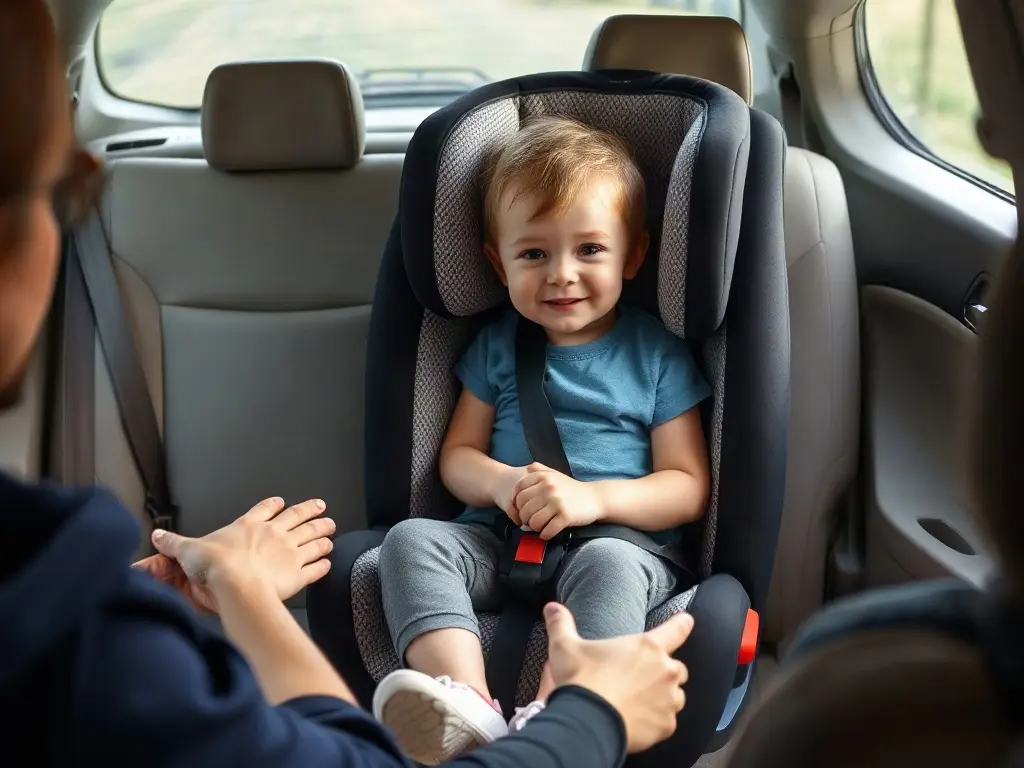
Traveling with babies and toddlers adds a safety question to every cruise transfer. Here is how to plan it.
Know the basics
The National Highway Traffic Safety Administration (NHTSA) recommends rear-facing seats for infants and toddlers, forward-facing harness seats next, then boosters until a seat belt fits properly. State laws set minimum requirements and can differ, including how they apply to for-hire vehicles. See NHTSA’s car seat guidance.
Your options
| Approach | Pros | Cons |
|---|---|---|
| Bring your own seat | You know its history and fit | Extra item to carry |
| Private transfer with seat | Ready on arrival | Confirm type and install in advance |
| Rideshare “car seat” option | Available in some cities only | Limited, usually forward-facing only |
| Cruise line bus | Simple | Buses typically lack child restraints |
What to ask when booking
- Which seat types are available (infant, convertible, booster)?
- Who installs it, and can you check the install?
- Is there an extra charge?
- How many seats fit with your luggage?
Send us your children’s ages with your request so we can confirm what is possible.
Tips
- Travel bags for car seats protect them on flights.
- Lightweight travel seats make transfers easier.
- Allow extra time to install seats at pickup.
Car seat stages explained
The National Highway Traffic Safety Administration (NHTSA) describes child passenger safety in stages based on age and size. Always follow your car seat manufacturer’s height and weight limits as well.
| Stage | Seat type | General guidance |
|---|---|---|
| Infants and toddlers | Rear-facing car seat | Keep children rear-facing as long as possible, up to the seat’s limits |
| Toddlers and preschoolers | Forward-facing seat with harness | After outgrowing rear-facing limits |
| School-age children | Booster seat | Until the adult seat belt fits properly |
| Older children | Seat belt | When the belt fits correctly across the upper thighs and chest |
NHTSA also recommends that children under 13 ride in the back seat. For full guidance, see NHTSA’s car seat recommendations.
State laws and for-hire vehicles
Each state sets its own child passenger safety laws, including the ages at which car seats and boosters are required. Some states treat taxis and other for-hire vehicles differently from private cars, and rules for rideshare vehicles can vary. Because these laws differ and change, check the rules for the state where you will travel, such as Florida, Texas, California, Washington, Louisiana, or New Jersey.
Regardless of legal exemptions, safety experts recommend using an appropriate car seat for every ride.
Option 1: Bring your own car seat
Many families choose to bring their own car seat because:
- You know the seat’s history, including whether it has been in a crash.
- You are familiar with how to install it.
- It fits your child correctly.
Tips for traveling with your own seat:
- Check your airline’s policy. Many U.S. airlines allow car seats to be checked free of charge, and some FAA-approved seats can be used on board.
- Use a padded travel bag to protect the seat.
- Consider a lightweight travel car seat or a compact booster.
- Practice installing the seat with a seat belt, since many vehicles you use will not have the same anchors as your car.
- Check your cruise line’s policy on bringing car seats on board; many allow them as luggage.
Option 2: Book a transfer that provides a seat
Some private transfer providers can supply car seats on request. When booking, ask:
- Which seat types are available: infant, convertible, or booster?
- Will the seat be installed before pickup, or will you install it?
- Are seats cleaned and inspected regularly?
- Is there an extra charge?
- How many seats can fit with your luggage?
Get confirmation in writing, and inspect the seat before your child rides.
Option 3: Rideshare car seat options
In some U.S. cities, rideshare platforms have offered car seat options, usually a forward-facing seat for children above a certain age and weight. These options are limited in availability, usually do not include infant seats, and may not be available at airports or cruise ports. Check the app for your specific city before relying on this.
Option 4: Cruise line buses and shuttles
Large buses are generally not equipped with child restraints, and installing car seats in them may not be possible. If you plan to use a bus, ask the operator about their policies for young children.
Strollers and other gear
Families often travel with strollers, diaper bags, and portable cribs. Count all these items when booking a vehicle. A compact travel stroller that folds small is easier in taxis and vans. Many cruise lines allow strollers on board; check policies before you go.
Example scenarios
These are illustrative examples.
Family with an infant and a toddler, flying into MIA. Bring an infant seat and a convertible seat, check them with the airline, and book an SUV with enough space for two seats and luggage.
Family with a 6-year-old, flying into FLL. Bring a lightweight backless or high-back booster that fits in a carry-on, making short rides to Port Everglades simple.
Large family group with three young children. Book a passenger van and confirm in writing how many car seats will be provided or whether the family will bring their own.
Installation tips
- Read the car seat manual and the vehicle manual if available.
- Use either the seat belt or the lower anchors (LATCH), not both, unless the manufacturer allows it.
- For forward-facing seats, use the top tether if available.
- The seat should not move more than about an inch side to side or front to back at the belt path.
- Harness straps should be snug, with the chest clip at armpit level.
Certified child passenger safety technicians can help families learn installation before travel. NHTSA offers resources to find inspection stations.
Time and patience
Installing car seats takes time, especially in an unfamiliar vehicle. Allow an extra 10 to 15 minutes at pickup. Let your driver know in advance so they can plan.
Accessibility and special needs
Children with special medical needs may require specific restraint systems. Contact your transfer provider in advance to discuss requirements. See also wheelchair accessible transfers.
Large families and groups
If you are traveling with several families, read cruise port transportation for large groups for tips on vehicles and luggage.
Checklist
- Check NHTSA guidance and your state’s laws.
- Decide whether to bring your own seat.
- Confirm seat types and installation in writing if provided.
- Count strollers and gear when booking a vehicle.
- Allow extra time for installation at pickup.
The bottom line
Child safety does not take a vacation. Whether you bring your own seat or book a transfer that provides one, plan ahead, confirm details in writing, and allow time to install seats properly. A safe ride is the right start to a family cruise.
Frequently asked questions
Do taxis provide car seats?
Usually not, and laws on whether taxis must use them vary by state. Plan to bring your own or book a provider who confirms a seat in advance.
Can I bring a car seat on a cruise?
Cruise lines generally allow car seats as luggage. Check your line's policy before you go.
Before you travel: times and policies change. Confirm terminal assignments with your cruise line and ground-transportation rules on the official airport or port website. Learn more in our complete guide to airport to cruise port transportation.